
National consultation telephone
18606276006(24-Hour Line)
E-mail:Donglin.wu@moenmold.com
In recent years, China's mold industry has developed rapidly, the market size of the mold industry has continued to expand, and the main operating revenues of mold companies are also increasing.
According to statistics in the “Mold Industry Development Prospects Forecast and Investment Strategic Planning Analysis Report”, the total mold sales in China have increased from 112 billion yuan in 2010 to 184 billion yuan in 2016, and the compound annual growth rate has reached 8.63%, showing a steady growth. the trend of.
Under such a good development situation, there are a lot of areas in China that are mainly engaged in the manufacture of molds. Who is the real “die capital” in these areas?
I. Ningbo: China's Mould Capital
Ningbo, Zhejiang, which is known as the "Mould City", is located in the southeast corner of the Yangtze River Delta on the East Sea. Ningbo is a beautiful port city, a famous historical and cultural city, and a famous tourist city with abundant resources. Since ancient times, there has been a reputation of “broad business prosperity and the Pearl of the East China Sea”.
Ningbo is one of the major production bases of molds in China. It has a high status in the domestic industry. Now the mold industry has been developing at an annual rate of over 25%. Ningbo Mould Enterprise is located in all counties, cities, and districts of the city. Plastic molds, casting molds, die-casting molds, powder metallurgy molds, rubber molds, ceramic molds, and other ten categories of molds listed by the China Mold Association can be produced in Ningbo, including plastics. Molds, casting molds, die casting molds, powder metallurgy molds have a certain reputation in the country.
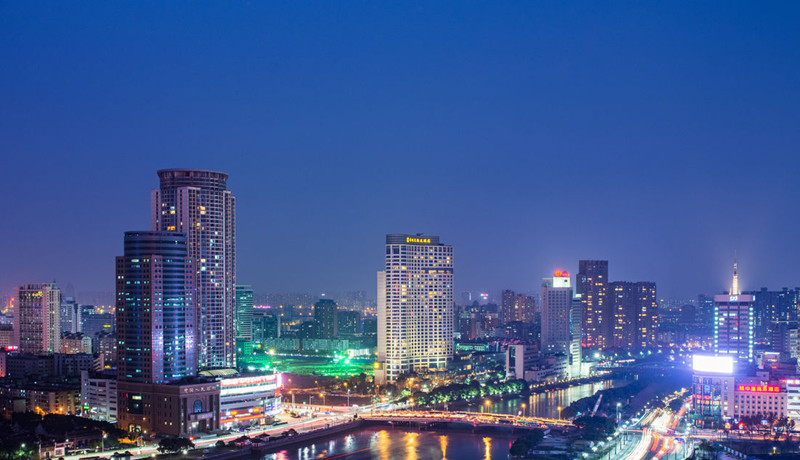
Ningbo's mold development is well-developed, largely due to Ningbo's regional division of mold production, such as large plastic molds in Ninghai, Beilun's die-casting molds, Yuyao's precision plastic molds, Cixi's home appliance molds, Xiangshan's casting molds, and Cangzhou's Auto parts, each region has its own development priorities, and can work with other areas of division of labor, such division can not only form agglomeration benefits, but also reduce unnecessary competition between regions.
In addition, Ningbo paid attention to the park planning and established Ninghai Mould City, Yuyao Mould City, Cixi Mould Science and Technology Park, Beilun Development Zone Mould Park, Jiangbei Venture Park Mould Park, Xijiao Haishu Mould Market, Zhedong Mould Market (Cixi), etc. A mold base. The use of these mold bases has played a role in cultivating and promoting a large number of small and medium-sized mold enterprises. To a certain extent, it has realized the effective combination of production factors and expanded the popularity of the Ningbo mold industry at home and abroad.
The full range of products, clear division of labor, and regional planning coupled with strict and effective management - the Ningbo Mould Industry Association has played a positive role in serving, coordinating, supervising, as well as bridges and bonds. These factors have all contributed to the scale of mold products in Ningbo. The bigger the development, the better. By 2015, Ningbo's mold industry has occupied a considerable market share in the country. Such as the city's production of casting molds accounted for more than 60% of the country, die casting molds accounted for more than 40% of the country, powder metallurgy molds accounted for more than 25% of the country, plastic molds accounted for more than 16% of the country.
Ⅱ. Huang Yan: China Die Township
Huangyan is located in Taizhou, Zhejiang Province, with a narrow and long topography and a low west-high west elevation. The mold industry is well-developed and is known as the "hometown of moulds." The high-tech industry has developed rapidly. In 2013, it was awarded the "National Advanced County for Scientific and Technological Progress."
Huang Yan did not produce steel and did not produce plastics. On the basis of poverty and whiteness, it created the myth of the mold industry: injection molds accounted for more than 25% of the national market share, blow molds accounted for more than 40% of the country, and extrusion molds accounted for the entire country. More than 80%.
Starting early: Huangyan's mold industry started early. In the mid-fifties of the 20th century, Huang Yan had the first professional mold enterprise to produce some small and simple plastic molds. In the early 1970s, more than 20 small township enterprises were set up. After the 1980s, the policies of reform and opening up mobilized the enthusiasm of the majority of people-owned enterprises, and a large number of individual and private mold processing companies emerged. After entering the 1990s, various mold companies increased their efforts in technological transformation, actively cultivated and introduced professional and technical personnel, strengthened internal management, and boldly implemented institutional innovation. Huangyan's mold industry has rapidly increased.
The foundation is in prison: The foundation of Huangyan's industry is solid. At present, there are 2,200 mold-related companies, employing more than 50,000 people, and the total mold production accounts for about one-tenth of the country's total. Among them, there are 22 top enterprises in the mold industry and 17 key enterprises in the China mold industry. As of the end of 2016, the total output value of the Huangyan mould industry was 15 billion yuan, the export volume of molds was more than 300 million US dollars, and the total production volume accounted for about one-tenth of the national total. The plastic products, automobile and motorcycle accessories, electric bicycles and accessories driven by the mold industry The output value of related industries such as machinery and electrical appliances exceeds 50 billion yuan.
Ⅲ. Huang Shi: China's extrusion mold capital
Huang Shi mould started in the 1980s. After years of tempering, Huangshi has more than 330 mold material companies, two mold material production and processing bases, more than 50,000 employees, and annual production of mold materials of more than 600,000 tons, forming smelting, forging, roughing, and mold manufacturing industries. chain. According to data provided by the China Die and Mould Industry Association, the amount of mold materials used nationwide was 1.35 million tons last year. Huangshi's mold materials occupy nearly half of the country's markets and are exported to more than 30 countries and regions, which account for more than half of India's market.
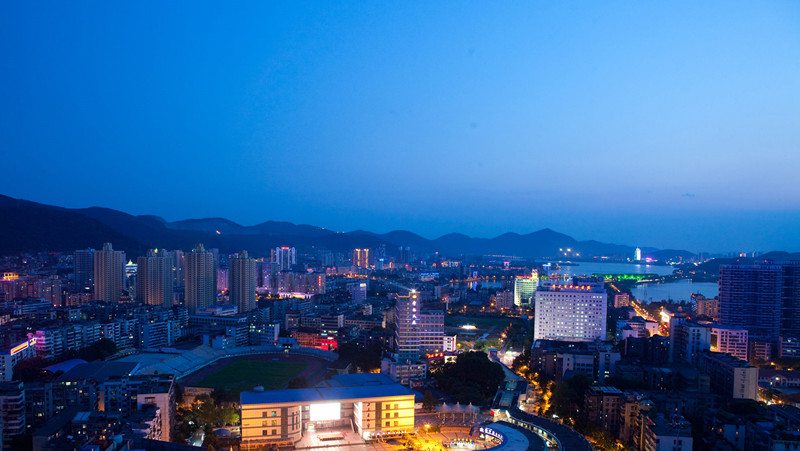
In addition, Huangshi's extrusion die is also in the leading position in China. Huangshi's extrusion die products account for 65% of the national market. The city has more than 50 large and medium-sized extrusion die backbone enterprises, among which 5 companies have entered the top 10 in the same industry in the country. Huangshi's extrusion die has been exported to 25 countries and regions in the world and has a good reputation.
Currently, according to the plan, the Huangshi Mould Materials Industry Association will encourage the enterprises to enter the park, do large-scale risk-taking, and standardize the management and development through the ideas of “developing and expanding a batch, jointly reconstructing batches, and shutting down and eliminating a batch of batches”. It is believed that the future of Huangshi Mould will become better and better!
IV. Wuhu: Auto Mould Industry Base
Wuhu is the home of Chinese national brand Chery and is also the gathering place for Asia's largest plastic profile mold production. The strong market demand for automobiles, chemical building materials, and electrical molds has attracted the attention of many domestic and foreign mold entrepreneurs. From the earliest visit to Wuhu by Taiwan's Fuyi Technology Research Company and the joint venture with Chery Automobile to build the Wuhu Welfare Technology Co., Ltd., Wuhu's automotive molds have developed rapidly. There are two mold industry parks in Wuhu and Ruiye Auto Mould Concentration Zone. The three parks (area) gather together nearly 100 Chinese and foreign auto mold enterprises.
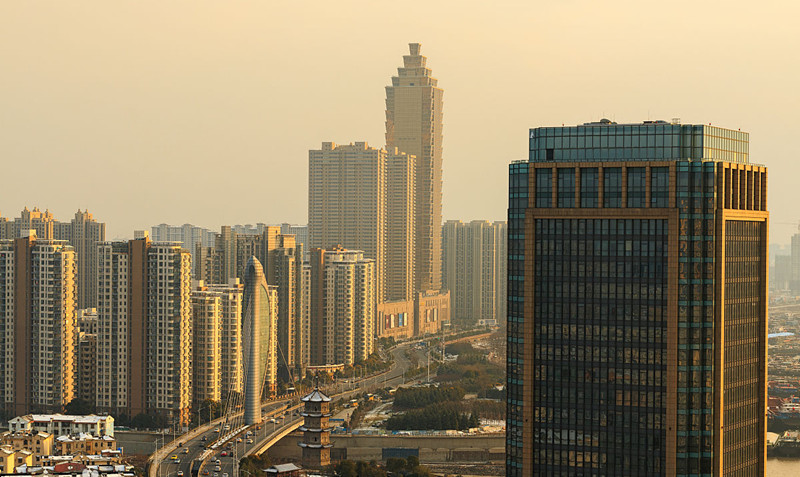
As of December 2009, Wuhu had 183 die and mold enterprises, 10 above the scale, and the die output value was 2.28 billion yuan, including 72 economic and technological development zones with an output value of 1.12 billion yuan; 47 bridge development zones with an output value of 487 million yuan; There are 18 technical development zones with an output value of 210 million yuan. With the ability to produce and process 25,000 tons of various types of molds, fixtures, inspection tools, and tooling equipment, the mold categories include steel plate die, extrusion die, casting die, injection die, die-cast die, inspection tool, fixture, and tooling. Production of injection molded parts, stamping parts, etc. for the main plant.
After nearly 10 years of development, the mold industry in Wuhu is gradually reducing the distance between Anhui molds and domestic advanced molds, and further advancing to the world's advanced mold manufacturing industry. In order to build a car mold enterprise base, the development of the Wuhu mold industry draws on the successful experiences of other regions and is committed to creating a "China's automobile mold capital."
Ⅴ. Dongguan: China's mold market
Guangdong is currently the most important mold market in China, and it is also China's largest mold export and import province. More than 40% of the country's mold output value comes from Guangdong, and the mold processing equipment numerical control rate and equipment energy, mold processing technology, production of professional standards and standards leading the domestic other provinces and cities. At present, among the top 10 companies in the country, Guangdong has five, and the world’s largest mold supplier and Asia’s largest mold manufacturer are located in Guangdong.
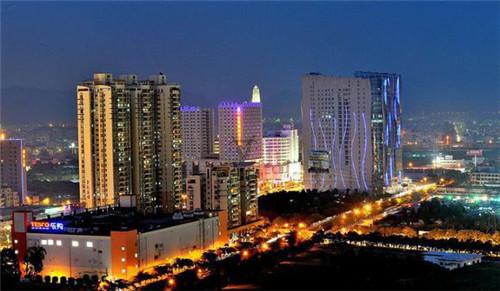
As the manufacturing hub of Guangdong, Hong Kong, and Macao in the Dawan District, Dongguan has formed a mold industry led by two professional towns of Chang’an and Hengli, covering more than 50,000 enterprises, including machinery and metal manufacturing, in the mold industry chain of the whole province and even the whole country. Occupy an important position.
At present, there are more than 2,000 mold enterprises in Dongguan City, which have become the major distribution centers of mold products in Guangdong. As the "mother of manufacturing," the mold is directly related to the overall level of development of the manufacturing industry, including intelligent and information-based platforms such as the mold inspection center, accelerating resources accumulation in Dongguan, and Dongguan being the first to implement "Dongguan Manufacturing 2025." "Strategic interaction with national strategies shows that Dongguan is taking the initiative and casting new advantages in the new round of global competition for "Made in China." The innovation chain is superimposed on the redevelopment of development dividends. The Dongguan mold industry is interpreting the whole trend toward high-quality, sharp and sharp “China Made 2025” innovation and development model.
VI. Suzhou: Newly-emerged Die Force
Compared to the previous cities, the Suzhou mold industry started late, but Suzhou has its unique advantages.
Since the reform and opening up, Suzhou’s economy has continued to develop at a rapid pace, and a number of national-level economic and technological development zones, such as Suzhou Industrial Park, Suzhou High-tech Development Zone, Kunshan Economic and Technological Development Zone, have emerged. Eighty-six of the world's top 500 companies have invested and built factories in Suzhou. Suzhou has gradually become an important global manufacturing base. With the rapid development of the electronic information industry, related software and optoelectronic industries have also begun to gather in Suzhou. The automotive, home appliance, communications, light industry, plastics and other industries are also very strong. The production of these products in more than 80% of these industries can not be separated from the mold, which has led to the rapid development of the Suzhou mold industry.
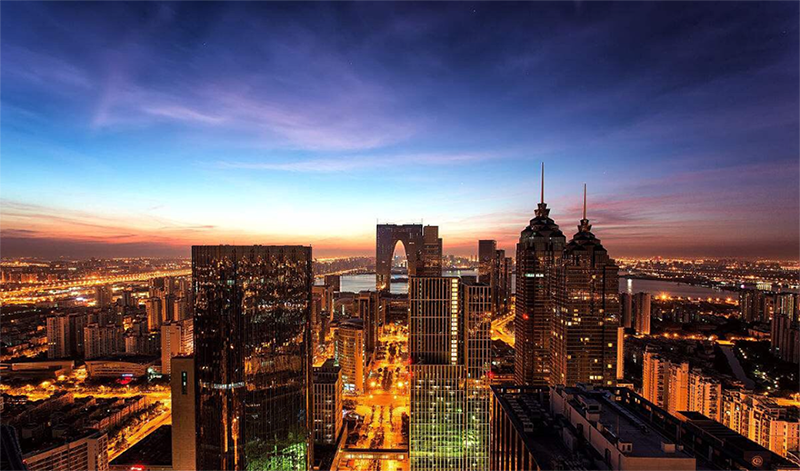
Relying on other industries, Suzhou's mold industry has developed rapidly. According to incomplete statistics, there are currently more than 1,000 mold factories of various types in Suzhou, with more than 1,000 mold processing points. The annual sales of molds are about 5,060 billion yuan, and the mold industry has become one of the emerging industries in the city.
Moreover, due to the rapid growth of the export-oriented economy of Suzhou, Japan, South Korea, Singapore, Germany, the Netherlands, the United States, and Taiwan of China, Hong Kong has a large number of wholly-owned and joint ventures, as many as 3,500, many of which have mold manufacturing capabilities. Has reached a considerable level and scale. There are also a large number of private mold companies, all over the district. It can be said that under the dual role of foreign capital and private enterprises, Suzhou has become a "dark horse" in the mold industry.